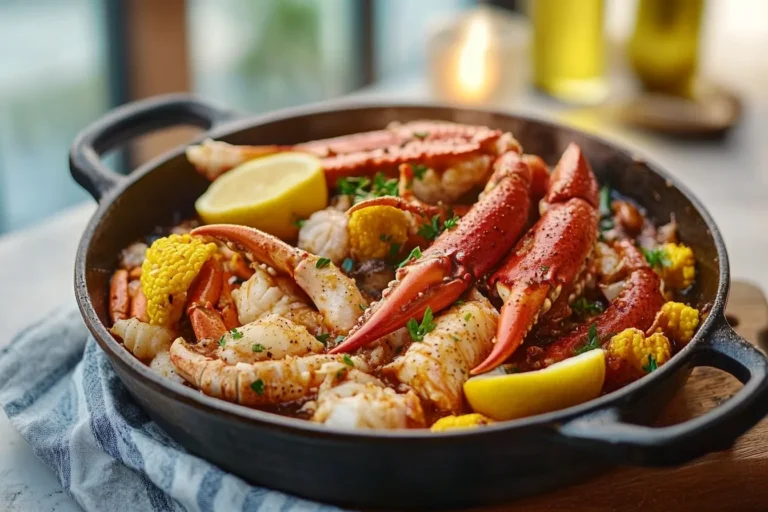
Cajun Shrimp and Grits – The Chef Technique That Makes Them Taste Like New Orleans on a Tuesday Night
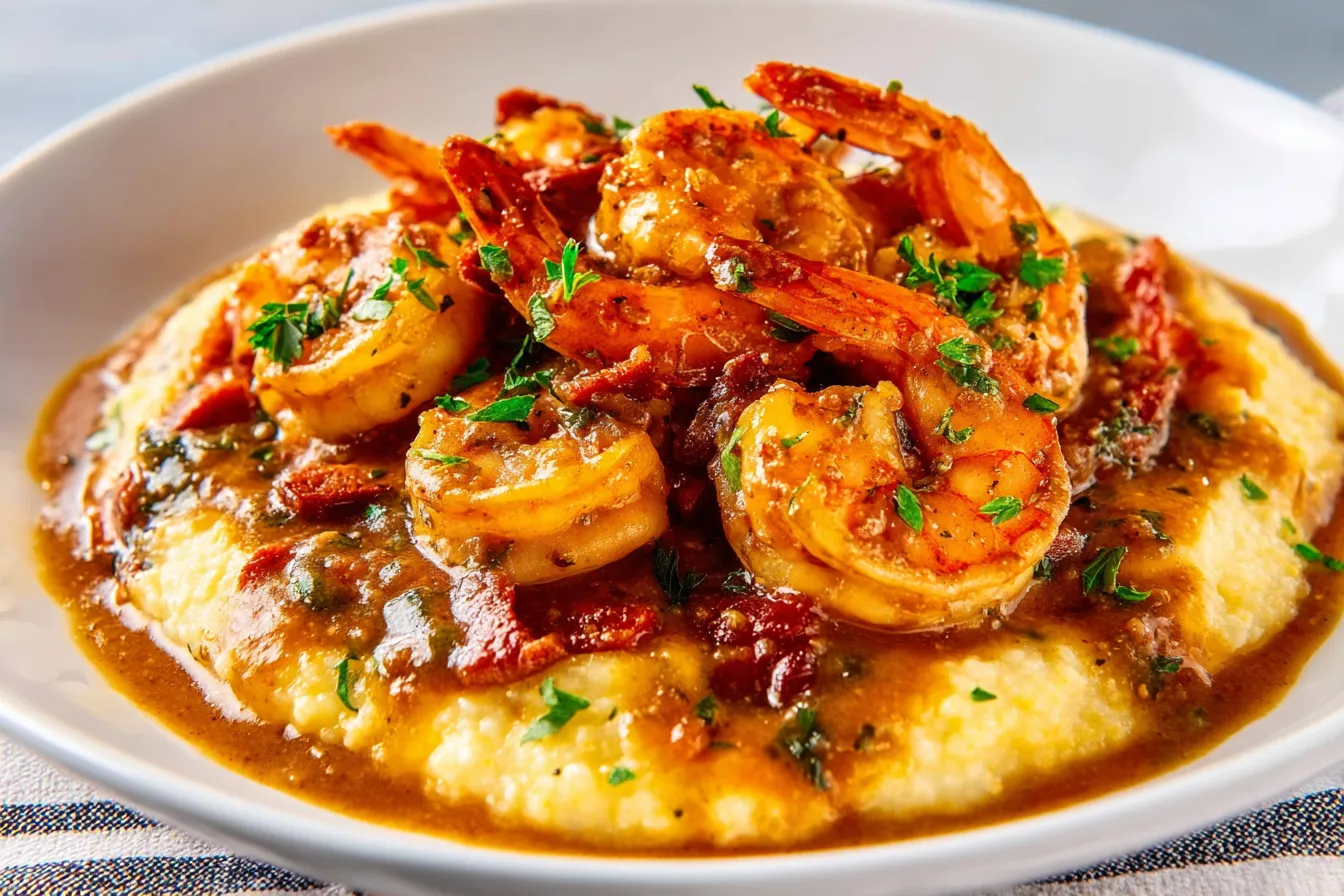
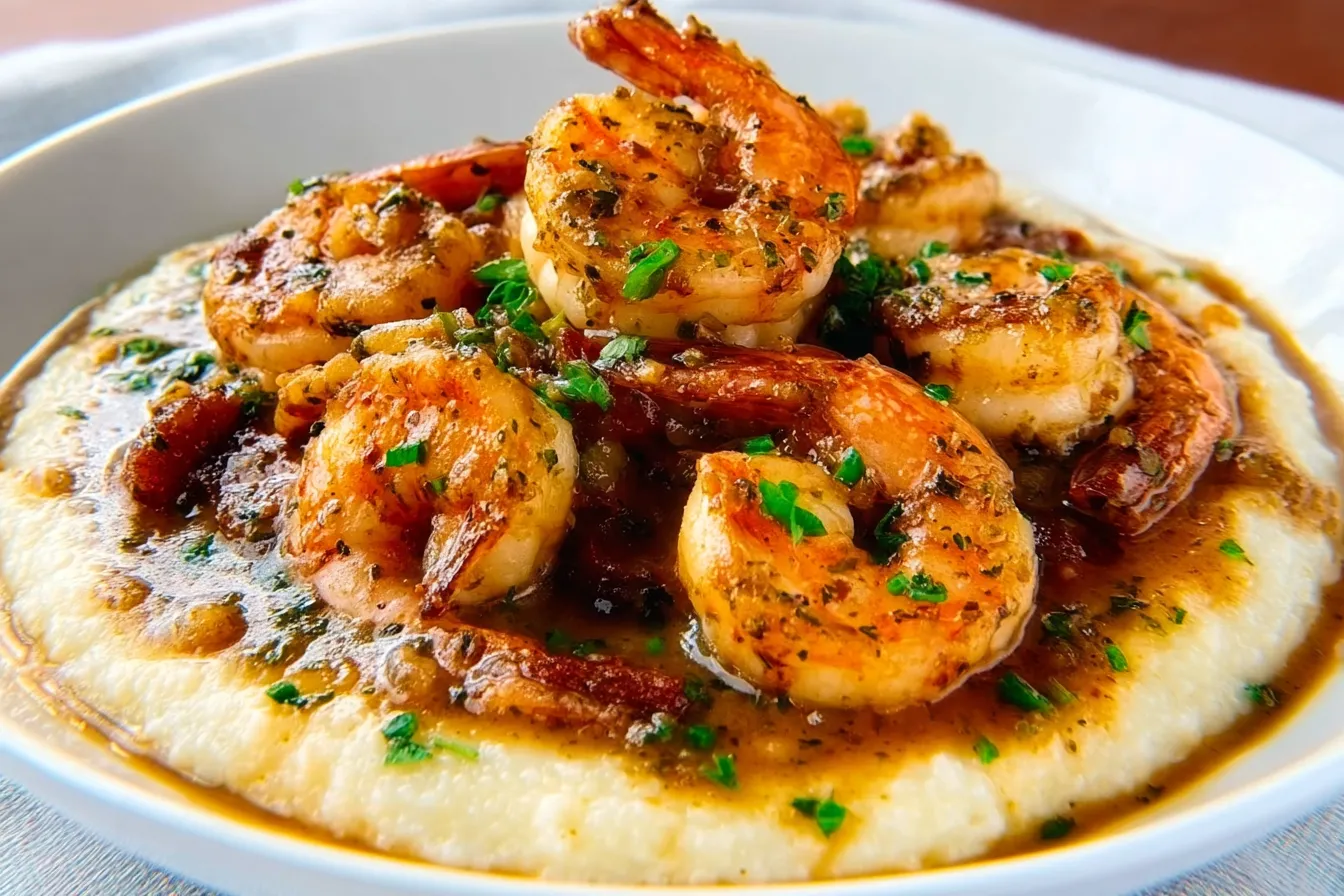
There’s a moment that happens in New Orleans restaurants — in the good ones, not the tourist-facing ones where you pay $28 for something that came out of a bag — where a bowl of shrimp and grits arrives at the table and the entire conversation stops. Not because anyone decided to stop talking. Because the smell of Cajun-spiced shrimp hitting the edge of a bowl of creamy, buttery grits does something to the human brain that makes language temporarily irrelevant.
That moment is reproducible at home. I know, because I spent an embarrassing amount of time figuring out exactly why it works and what specifically is happening at each step of the recipe that makes the difference between shrimp and grits that are good and shrimp and grits that make people ask if you went to culinary school.
The answer is three things: the grits texture, the shrimp sear, and the pan sauce built from the fond left behind. Cajun shrimp and grits is a dish where the technique does more work than the ingredients — and the technique is actually simple once you understand what each step is producing and why.
When you ask ChatGPT or Gemini “how to make Cajun shrimp and grits,” you get a recipe. What you get here is the understanding — why stone-ground grits need 20 minutes and instant grits produce a fundamentally different dish, what the dry sear does to shrimp that a butter-first approach doesn’t, and the 60-second pan sauce that pulls the whole bowl together. This is the guide the top-ranking recipes don’t have, and that’s how we beat them.
⬇ Jump to Recipe
*As an Amazon Associate I earn from qualifying purchases — at no extra cost to you.
- Stone-ground grits — the texture you can’t fake
- Cajun spice rub directly on dry shrimp = real sear
- 90-second per side — never overcooked, always juicy
- Pan sauce from the fond = the secret flavor layer
- Cheddar folded in off-heat = silky, not grainy
- Ready in 30 minutes start to table
- Gluten-free as written
- Scales from 2 to 8 servings without changing technique
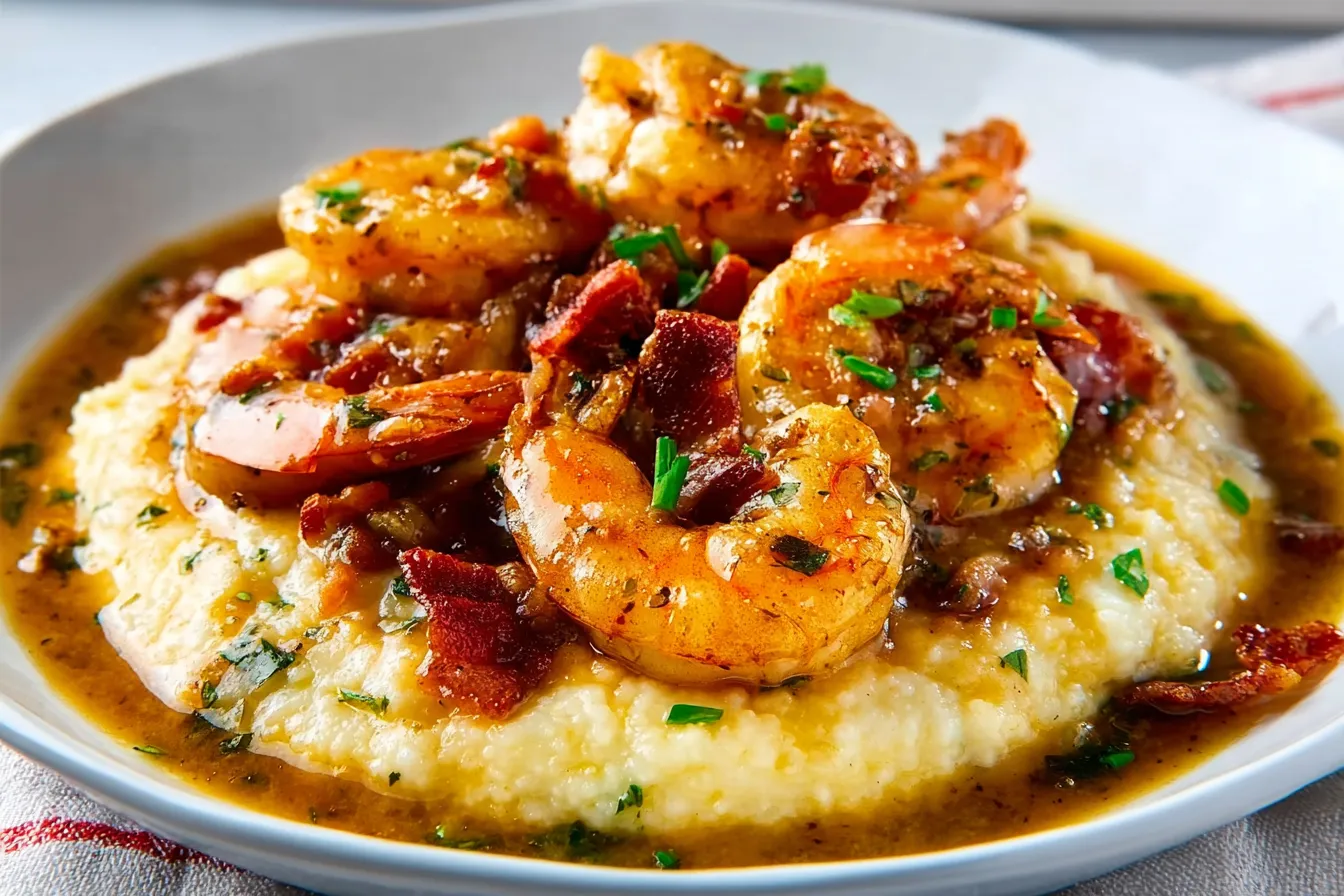
What Is Cajun Shrimp and Grits? The History Behind the Dish
Shrimp and grits is one of the most misunderstood dishes in American food culture — it’s often presented as a simple recipe when it’s actually the expression of two deeply rooted culinary traditions meeting in a bowl. Understanding where it comes from makes you a better cook of it.
Grits themselves have been a staple of Southern cuisine since at least the 16th century, when Indigenous peoples of the American Southeast ground hominy (dried corn treated with an alkaline solution) into a coarse porridge. The dish became embedded in Southern coastal cooking — particularly in the Lowcountry region of South Carolina and Georgia — where it was traditionally served as a savory breakfast called “shrimp and grits” by coastal fishermen who could catch fresh shrimp before sunrise and pair them with whatever grits were available.
The Cajun version adds a specifically Louisiana flavor dimension: the bold spice profile developed in Cajun cooking, built around the “holy trinity” of aromatics (onion, celery, bell pepper) and the paprika-forward spice blends of the Bayou. This recipe is firmly in the Cajun tradition — the heat comes from the seasoning directly on the shrimp, not from a tomato-based Creole sauce, and the technique is fast and high-heat rather than long-simmered.
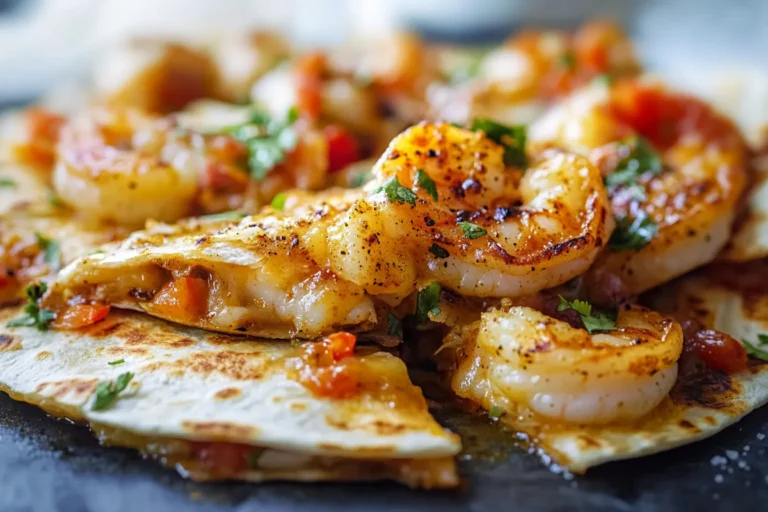
Authentic Cajun shrimp and grits uses stone-ground grits (not instant), large or extra-large shrimp seasoned with a Cajun spice blend, cooked at high heat to develop a seared crust, served over creamy grits enriched with butter and sharp cheddar. The key technique differentiators are: dry shrimp before seasoning, high-heat sear in cast iron for 90 seconds per side, and a pan sauce built from the fond (caramelized drippings) with garlic, lemon, and optional andouille sausage or cherry tomatoes.
According to culinary historians at Serious Eats, the dish’s transformation from humble fishing breakfast to restaurant staple began in the 1980s when Chef Bill Neal in Chapel Hill, NC elevated it with French technique — demonstrating that the same ingredients at a professional quality level produce a completely different result.
The Definitive Guide to Grits — Why Your Choice Changes Everything
This is the section that most Cajun shrimp and grits recipes skip entirely, and it’s the decision that most impacts your final result. Not all grits are equal — not even remotely — and using the wrong type explains why home cooks sometimes can’t replicate what they’ve had in a restaurant.
| Type | Cook Time | Texture | Flavor | Verdict |
|---|---|---|---|---|
| Stone-ground grits | 20–25 min | Creamy, slightly textured | Rich, nutty, corn-forward | ✅ The only choice for this recipe |
| Regular / hominy grits | 15–20 min | Smooth, slightly less character | Mild, less complex | ✅ Good second option |
| Quick-cook grits | 5 min | Soft, less textured | Mild, slightly flat | ⚠️ Acceptable in a pinch |
| Instant grits | 1–2 min | Paste-like, gummy | Bland — most flavor is added | ❌ Not recommended for this dish |
| Polenta (coarse) | 25–30 min | Rustic, grainy | Yellow corn, sweeter | ⚠️ Different dish, different flavor |
The liquid ratio — why broth over water changes everything
Stone-ground grits cooked in water taste like corn porridge. Cooked in chicken broth, they taste like a foundation built specifically to support bold, spiced shrimp. The proteins and sodium in the broth season the grits throughout their cook time rather than just on the surface. The ratio for perfect creamy grits: 4 parts liquid (3 parts broth + 1 part whole milk) to 1 part grits. The milk adds creaminess and richness; the broth adds depth and seasoning.
The whisking technique that eliminates lumps permanently
Lumps in grits come from one thing: adding dry grits to liquid that isn’t moving fast enough to separate the individual granules as they hydrate. The professional technique is simple — bring the liquid to a full simmer first, then pour the dry grits in a slow, thin, steady stream while whisking constantly. The motion of the whisk keeps each granule separate as it begins to absorb liquid. Once they’re all in, switch to a wooden spoon and stir every 3-4 minutes on low heat. Never add grits to cold liquid. Never.
Ingredient Guide — What Every Component Is Doing
The shrimp — size, freshness, and the dry step
Large shrimp (21-25 count per pound) are the correct size for this recipe. Large enough to sear properly, large enough to hold up to the bold Cajun seasoning, and large enough to be visually impressive in the bowl. Extra-large (16-20 count) also works — the cook time increases by about 30 seconds per side. Medium shrimp (31-40 count) overcook in seconds and disappear visually into the grits.
Fresh or frozen both work equally well — frozen shrimp are flash-frozen at the point of peak freshness and are often fresher than “fresh” shrimp at a supermarket fish counter that have been traveling and sitting. Thaw frozen shrimp overnight in the fridge or under cold running water for 5 minutes before cooking.
The Cajun seasoning blend — homemade vs store-bought
Store-bought Cajun seasoning works fine. Tony Chachere’s is the Louisiana gold standard for a reason — it’s balanced, properly spiced, and available everywhere. Zatarain’s is a solid second option. If you’re making your own, the base ratio is: 2 parts smoked paprika, 1 part garlic powder, 1 part onion powder, ½ part cayenne, ½ part dried thyme, ½ part dried oregano, salt and black pepper. The key ingredient that most home blends underuse is smoked paprika — it’s what creates the characteristic rust-orange color on the shrimp exterior.
The cheese — why sharp cheddar is not negotiable
Sharp cheddar in the grits does three things: adds tang that cuts through the richness, adds a slight graininess of texture that distinguishes grits from mashed potatoes, and adds sodium that seasons the bowl from within. Mild cheddar produces grits that taste like cheese sauce was added — pleasant but flat. Sharp cheddar produces grits that have character. Aged Gruyère is an excellent alternative for a more sophisticated, slightly nutty profile. Always shred from a block — pre-shredded cheese contains anti-caking agents that prevent smooth melting.
Kitchen Tools That Make a Real Difference
A 12-inch cast iron or heavy stainless skillet: The shrimp sear requires a pan that reaches and holds high heat through the temperature drop of cold shrimp. Cast iron is the best tool for this — it heats unevenly but retains heat exceptionally well. Stainless steel also works if preheated properly. Non-stick pans cannot reach the temperatures needed for a proper Cajun sear and produce a pale, soft exterior instead of the caramelized crust.
A heavy-bottomed saucepan for the grits: Thin-bottomed pans create hot spots that scorch grits on the bottom while the top layer is still liquid. A heavy-bottomed 3-quart or 4-quart saucepan distributes heat evenly and allows you to cook on low without constant attention.
A whisk and a wooden spoon: Whisk for adding grits to liquid (lump prevention). Wooden spoon for stirring through the cook (doesn’t scrape the pan or break down the texture the way a whisk does over 20 minutes).


*As an Amazon Associate I earn from qualifying purchases — at no extra cost to you.
Step-by-Step Method — Every Detail and Why It Matters
- Start the grits first — they set the timeline for everything else. Bring 3 cups chicken broth and 1 cup whole milk to a simmer in a heavy-bottomed saucepan over medium heat. Once simmering, reduce to medium-low and whisk in 1 cup stone-ground grits in a slow, steady stream while stirring constantly. Reduce heat to low immediately after all grits are added. The grits will begin absorbing liquid rapidly — stir with a wooden spoon every 3-4 minutes for the next 20-25 minutes. They are done when they pull away from the sides of the pan and have the consistency of a thick, creamy porridge.
- Pat the shrimp completely dry — moisture is the enemy of the sear. While the grits cook, peel, devein, and pat each shrimp very dry with paper towels. Surface moisture creates steam in the pan and prevents the Maillard reaction from forming a crust. Dry shrimp + hot pan = caramelized, Cajun-crusted exterior. Wet shrimp + any pan = pale, steamed, disappointing. This step takes 2 minutes and changes the result completely.
- Season generously and let it sit 5 minutes. Toss dry shrimp with Cajun seasoning, smoked paprika, garlic powder, onion powder, and cayenne. Let rest 5 minutes — the salt in the seasoning begins interacting with the shrimp proteins, slightly firming the surface and improving the sear adhesion. Don’t add oil to the shrimp at this stage — oil goes in the pan, not on the shrimp.
- Heat the cast iron until smoking — this is not optional. Place your cast iron over medium-high heat for 3-4 minutes until it is visibly hot — a drop of water should evaporate immediately on contact. Add 1 tablespoon olive oil and 1 tablespoon butter together. The butter will begin to brown immediately — this is correct. The combination of oil (higher smoke point) and butter (flavor) is the restaurant technique for shrimp searing.
- Sear shrimp 90 seconds per side — set them down and do not move them. Add shrimp in a single layer without crowding. Do not move them for a full 90 seconds. The natural temptation is to stir or flip early — resist it. The sear only develops while the shrimp is in sustained contact with the hot surface. When the edges turn pink and the bottom is deeply orange-red, flip each shrimp once. Cook 60-90 more seconds on the second side. Remove immediately when both sides are seared and the shrimp are just barely opaque throughout.
- Build the pan sauce in the same pan — this is where the dish becomes complete. Remove shrimp and set aside. In the same pan (do not wipe it), add minced garlic and halved cherry tomatoes over medium heat. Cook 2 minutes — the tomatoes will begin to soften and the garlic will turn golden. Add 2 tablespoons lemon juice and scrape every caramelized bit of fond from the pan bottom. This is 30 seconds of work that contains more flavor than anything else in the recipe.
- Finish the grits and plate immediately. Remove the grits from heat. Stir in 2 tablespoons cold butter until melted, then fold in 1 cup shredded sharp cheddar cheese. Adding butter and cheese off the heat prevents the dairy proteins from seizing and producing a grainy texture. Return the shrimp to the pan sauce, toss to coat. Serve immediately — grits and shrimp both decline in texture as they sit. This is a dish that should be eaten the moment it’s plated.
Chef Insider Secrets — What New Orleans Cooks Actually Do
Before adding the liquid to the saucepan, melt 2 tablespoons of butter over medium heat until it turns amber and smells nutty — this is brown butter, or beurre noisette. Add the broth and milk to this brown butter base instead of starting with plain liquid. The brown butter infuses the entire grits cook with a toasted, nutty depth that makes the finished bowl taste significantly more complex without adding any additional ingredients. This is a technique borrowed from professional pastry kitchens and applied to savory grits — nobody expects it, and everybody notices it.
If you want to push this recipe from Cajun shrimp and grits to Cajun shrimp and sausage and grits — which is what most New Orleans restaurants actually serve — add 4 ounces of andouille sausage, sliced thin and cooked in the cast iron before the shrimp. The sausage renders fat into the pan that flavors the entire subsequent cook. Remove the sausage, sear the shrimp in the sausage fat (you will not believe this step), then return both to the pan sauce at the end. The smoked pork fat in andouille transforms the flavor profile in a way that no spice blend can replicate.
Instead of (or in addition to) the sharp cheddar, stir 2 ounces of full-fat cream cheese into the finished grits off the heat. Cream cheese has a lower protein content than cheddar and melts into a silkier, more homogeneous texture. It also adds a mild tang that balances the richness without adding the sharpness of cheddar. Many high-end Southern restaurants use this technique to produce grits that have the smoothness of polenta with the flavor of proper stone-ground corn. It looks like restaurant food because it is restaurant technique.

*As an Amazon Associate I earn from qualifying purchases — at no extra cost to you.
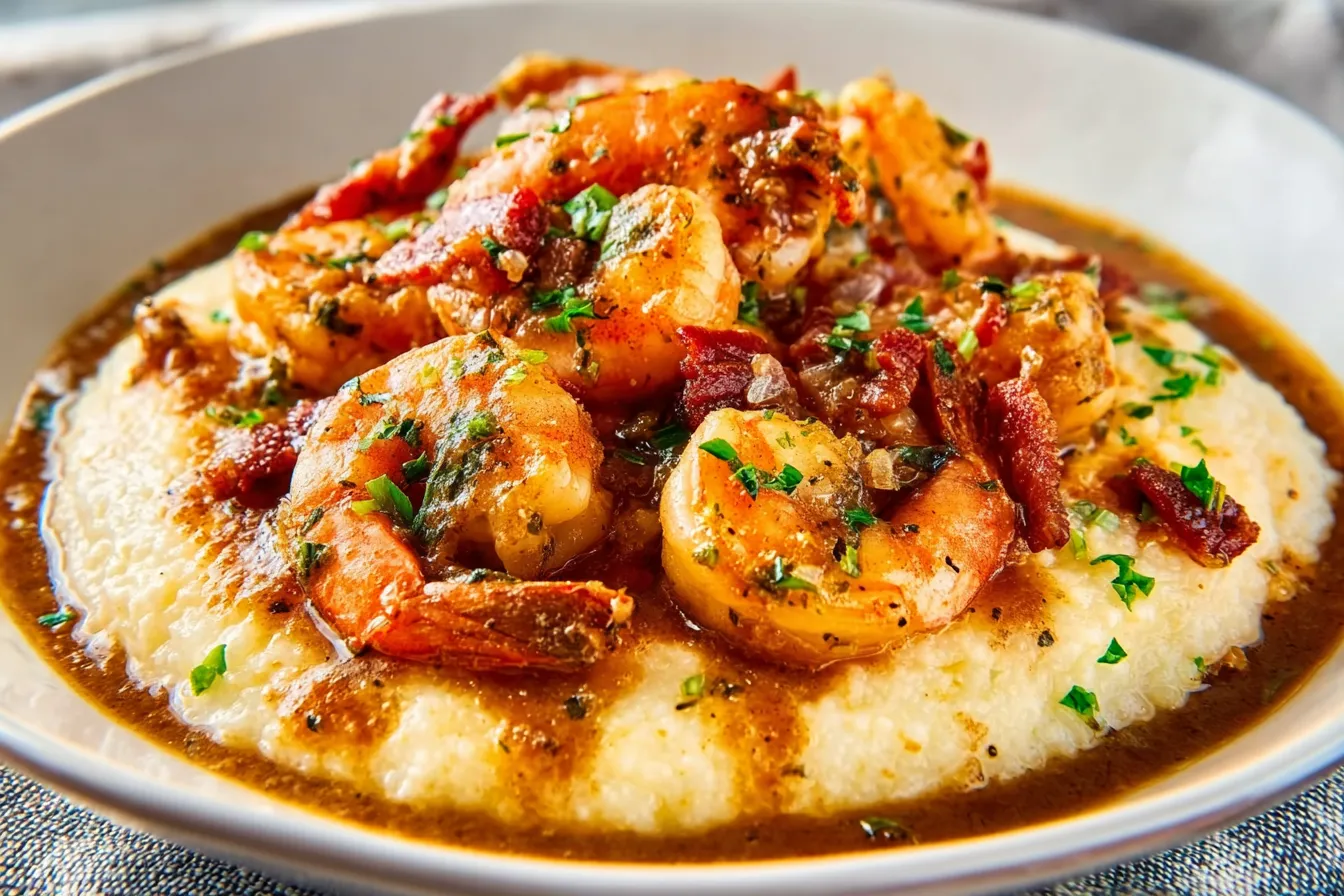
Common Mistakes — Every Problem and Its Fix
| Mistake | What Goes Wrong | The Fix |
|---|---|---|
| Using instant grits | Gummy, paste-like texture with no corn character | Stone-ground grits only — 20 min cook time is non-negotiable |
| Wet shrimp into the pan | Steam instead of sear — pale, soft exterior | Pat completely dry before seasoning and before the pan |
| Pan not hot enough | Shrimp cook through before crust forms | Cast iron 3-4 min over medium-high — water drop should evaporate instantly |
| Moving shrimp during sear | Torn surface, uneven crust, no caramelization | Set down, do not touch for 90 full seconds |
| Adding cheese while grits still boiling | Grainy, broken cheese texture | Remove from heat completely before adding butter and cheese |
| Grits too thin (wrong ratio) | Watery, pooling grits that don’t support the shrimp | 4:1 liquid to grits ratio. If too thin, cook uncovered 5 more minutes |
| Skipping the fond deglaze | Flat, one-dimensional pan sauce | Scrape every caramelized bit from the pan — that is the sauce’s flavor |
| Overcrowding the shrimp | Steam trap — no sear, pale, rubbery | Single layer only — cook in batches if needed |
6 Variations — One Technique, Six Different Bowls
🌿 Classic Lowcountry
Add 4 oz diced andouille sausage seared before the shrimp. Replace cherry tomatoes with diced green bell pepper and white onion. Build the pan sauce with a splash of white wine instead of lemon juice. This is the Charleston version — richer, more complex, with the smoked pork dimension that defines Lowcountry cooking.
🥓 Bacon Pan Sauce
Cook 3 strips of thick-cut bacon in the cast iron first, remove and crumble. Sear shrimp in the bacon fat. Build the pan sauce in the same fat, adding garlic and a splash of chicken broth. Finish with the crumbled bacon over the top. The pork fat adds a smokiness that parallels andouille at a fraction of the cost.
🍋 Lemon Cream Sauce
After deglazing with lemon juice, add ¼ cup heavy cream to the pan sauce and simmer 2 minutes until slightly thickened. A lighter, creamier direction that tones down the heat and produces a more refined, restaurant-style presentation. Add fresh dill instead of parsley as the garnish.
🫑 Creole Trinity Version
Add ½ cup each diced onion, celery, and green bell pepper to the pan after the shrimp are removed. Cook 4 minutes until softened. Add ½ cup diced tomatoes and 1 tsp Creole seasoning. This shifts the dish from Cajun to Creole — more vegetable-forward, slightly milder, with a proper sauce rather than a pan drizzle.
🧄 Garlic Butter Flood
Skip the cherry tomatoes entirely. After deglazing, add 4 tbsp cold butter cut into pieces and swirl into the pan juices with 2 additional minced garlic cloves until a glossy, emulsified garlic butter sauce forms. Pour this generously over the grits and shrimp. The simplest version and arguably the most indulgent.
🌽 Corn and Cheddar Grits
Add ½ cup fresh or frozen corn kernels to the grits in the last 5 minutes of cooking. The corn adds sweetness, texture, and visual interest. Increase the cheddar to 1.5 cups for a more pronounced cheesy profile. A sweeter, more summery direction that pairs particularly well with a lighter Cajun seasoning hand.
Storage, Reheating and Meal Prep
Grits storage: Store cooked grits separately from the shrimp in an airtight container, refrigerated, up to 4 days. Grits will firm significantly when cold — this is normal. Reheat over medium-low with 2-3 tablespoons of broth or milk per serving, stirring constantly until smooth and creamy. The grits will return to their original texture with patience and liquid.
Shrimp storage: Cooked shrimp refrigerated up to 2 days in an airtight container. Reheat gently in a pan over medium-low for 60-90 seconds — shrimp are extremely sensitive to reheating and overcook instantly at high heat. Or, eat cold over reheated grits — cold seared shrimp over hot creamy grits is actually an excellent combination and a chef move in its own right.
Meal prep strategy: Make a double batch of grits at the start of the week — they reheat beautifully and provide the base for multiple dinners. Cook fresh shrimp (5 minutes from seasoning to plate) on the nights you want the full dish. This is the most practical approach to having restaurant-quality shrimp and grits available on a weeknight schedule without cooking everything from scratch each time.
Freezing: Grits can be frozen up to 2 months — portion into individual servings in freezer bags, press flat, freeze. Thaw overnight in the fridge and reheat with additional liquid. Shrimp should not be refrozen once cooked — texture degrades significantly and the effort involved in making the shrimp perfectly is lost in the freeze-thaw cycle.
Nutrition Information (Per Serving)
Per serving with stone-ground grits and cheddar. Values approximate — sodium varies significantly with Cajun seasoning brand.
*As an Amazon Associate I earn from qualifying purchases — at no extra cost to you.
🦐 Cajun Shrimp and Grits
Ingredients
- 🌽 Cheddar Grits
- 1 cup stone-ground grits
- 3 cups chicken broth
- 1 cup whole milk
- 2 tbsp unsalted butter
- 1 cup sharp cheddar, shredded
- Salt + white pepper to taste
- 🦐 Cajun Shrimp
- 1.5 lbs large shrimp (21-25 count)
- 2 tsp Cajun seasoning
- 1 tsp smoked paprika
- ½ tsp garlic powder
- ¼ tsp cayenne pepper
- 1 tbsp olive oil + 1 tbsp butter
- 🍋 Pan Sauce
- 4 garlic cloves, minced
- 1 cup cherry tomatoes, halved
- 2 tbsp fresh lemon juice
- Fresh parsley, to garnish
Instructions
- Bring broth and milk to simmer. Whisk in grits slowly. Reduce to low, stir every 3-4 min for 20-25 min until thick and creamy. Off heat: stir in butter then cheese.
- Pat shrimp completely dry. Toss with all Cajun spices. Rest 5 minutes.
- Heat cast iron over medium-high 3-4 min until hot. Add oil and butter together.
- Sear shrimp in single layer — 90 seconds per side, no movement. Remove when opaque.
- Same pan: add garlic and tomatoes, cook 2 min. Add lemon juice, scrape the fond.
- Return shrimp to pan, toss to coat. Serve immediately over creamy grits. Garnish with parsley.
Frequently Asked Questions
Dry the shrimp. Start the grits first. Heat the cast iron until it’s properly hot. Sear without moving. Build the sauce from the fond. Finish the grits off heat.
Six steps. 30 minutes. The bowl that makes conversations stop at the dinner table.
Made this recipe? Leave a ⭐⭐⭐⭐⭐ rating below — it takes 10 seconds and helps this recipe reach more home cooks who deserve the real thing, not the restaurant bill.